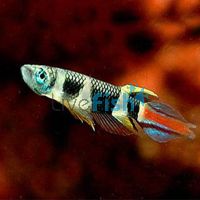
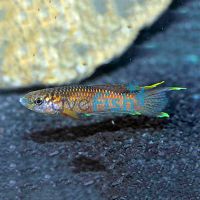
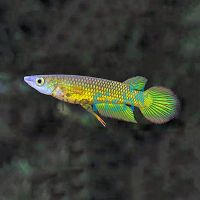
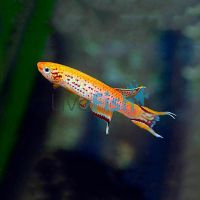
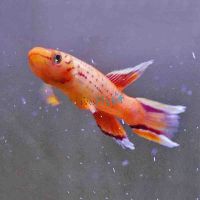
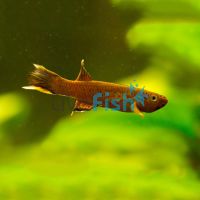
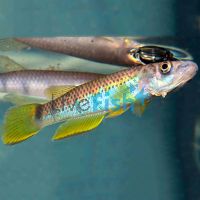
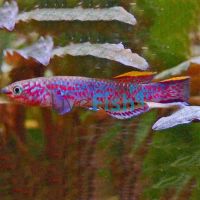
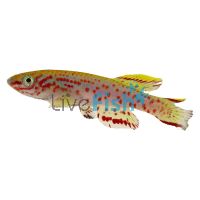
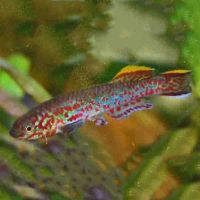
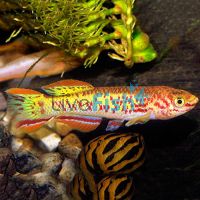
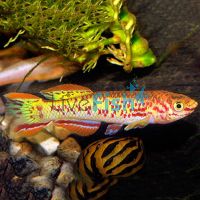
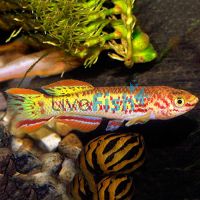
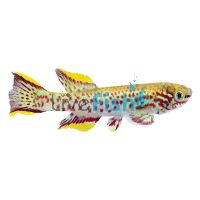
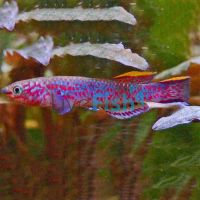
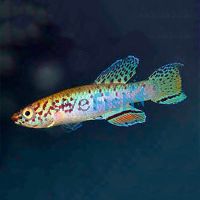
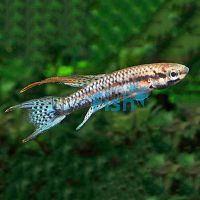
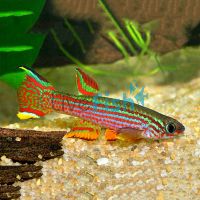
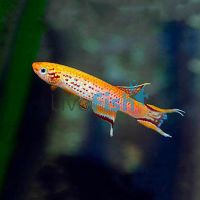
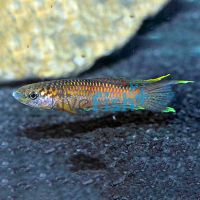
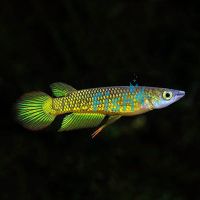
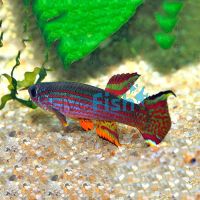
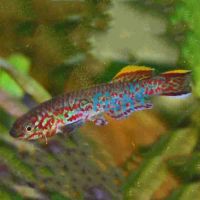
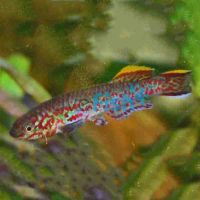
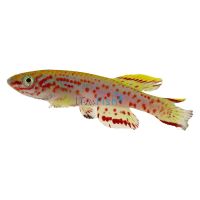
Killifish belong to the tooth carp family, although unlike many tooth carps, they are egg layers rather than livebearers. They are a diverse and often rare group of fish found across a wide range of freshwater habitats around the world, with some species even occurring in brackish or slightly marine environments. Killifish display vivid colours, intricate patterns and typically grow between 5 and 10 cm (2-4').
Killifish Care
Killifish are hardy and generally low maintenance, which is reflected in their wide global distribution. However, community housing can sometimes be difficult, so it is best attempted by aquarists with some experience. These fish have slender bodies and upturned mouths designed for feeding on insects at the water’s surface. They are also excellent jumpers, so a secure lid is essential. Killifish are often sold under their scientific names, with popular species including Aphyosemion striatum, Aphyosemion gardneri, Aphyosemion gardneri Nigerianum and the larger Giant Gold Panchax.
Killifish Natural Habitat
Killifish are found in most parts of the world except Australia and Antarctica. They commonly inhabit shallow tropical and subtropical waters. The group is divided into annual and non-annual species. Annual Killifish live in temporary puddles and rice fields, completing their entire lifecycle in a few months. Adults lay their eggs in the substrate before the water dries, and the eggs lie dormant until the next wet season. These species are rarely seen in aquarium shops and are usually kept only by dedicated hobbyists. Non-annual species live far longer but grow more slowly and are found in rivers, streams, dams and even mildly brackish waters.
Behaviour & Compatibility
Killifish are usually peaceful, but males may become aggressive if there are too few females. They can also mistake similarly coloured male fish from other species for rivals. Some individuals may nip fins, so it is important to monitor their behaviour. A ratio of one male to three females works well when housing several together. Hiding spots are essential, and a tight-fitting lid is non-negotiable due to their jumping ability. Suitable tank mates include Neon Tetras, Danios and small catfish.
Killifish Tank Set-up Tips
-
Tank
This section refers mainly to larger Killifish species such as the Giant Gold Panchax. Smaller species such as the Clown Panchax require proportionally smaller aquariums. Small Killifish should be kept in groups of at least five, with more females than males. Larger species need a minimum of 75 litres (20 gallons), while smaller species can be kept from 52 litres (14 gallons). Longer tanks are preferable to tall ones.
| Recommended Max Fish Count |
Tank Volume |
| 2–4 Killifish |
75 litres (20 gallons) |
| 6 Killifish |
83 litres (22 gallons) |
| 8 Killifish |
95 litres (25 gallons) |
| 10 Killifish |
113 litres (30 gallons) |
-
Base
Annual Killifish benefit from a thick peat substrate, as they naturally bury their eggs. Non-annual species are far less particular, allowing you to choose any substrate that suits the look of your aquarium or the needs of other fish.
-
Foliage
If you keep multiple males together, hiding places such as caves, driftwood and rock structures are important to reduce stress. Killifish prefer softer lighting, so floating plants such as hornwort help diffuse light from above.
-
Water
Killifish adapt well to varied water conditions but prefer cooler temperatures of 20-24°C (68-75°F). Depending on your home environment, a water heater may be required to maintain a stable temperature.
They thrive in a pH of 6-8 and a hardness of 5-15 dH. Using a reliable water testing kit ensures your parameters remain within the appropriate range. They appreciate aeration from a fish tank pump and moderate flow.
Regular water changes (10% weekly or 25% fortnightly) are recommended. Clean your substrate periodically and adjust tap water with suitable water conditioners before adding it to your aquarium.
Always check the specific care requirements of the Killifish species you intend to keep, as needs can vary between types.
Feeding and Care
Killifish are insectivores and thrive on live foods such as mosquito larvae, bloodworms, brine shrimp and fruit flies. Many individuals will ignore flakes and pellets. Offer a varied diet to ensure balanced nutrition. Browse our selection of fish food to find suitable options.
Great Reasons to Keep Killifish in Your Tropical Aquarium
- They display vibrant colours and a wide variety of fin shapes.
- They provide a rewarding challenge for experienced aquarists.
- Their rarity and striking appearance make them ideal for species-specific tanks.
Killifish can be fascinating freshwater pets when kept correctly. Explore our range of popular species including Aphyosemion striatum, Aphyosemion gardneri, Aphyosemion gardneri Nigerianum and the impressive Giant Gold Panchax.
Freshwater Killifish
Spectacular rarities - Begin your species tank journey with our striking Killifish.
Despite their dramatic name, Killifish are not aggressive fish. However, they do have some unusual behaviours and care needs that may be challenging for new aquarists. While they can be kept in community aquariums, beginners are generally better off keeping Killifish in their own tank until they gain more experience.
Killifish belong to the tooth carp family, although unlike many tooth carps, they are egg layers rather than livebearers. They are a diverse and often rare group of fish found across a wide range of freshwater habitats around the world, with some species even occurring in brackish or slightly marine environments. Killifish display vivid colours, intricate patterns and typically grow between 5 and 10 cm (2-4').
Killifish Care
Killifish are hardy and generally low maintenance, which is reflected in their wide global distribution. However, community housing can sometimes be difficult, so it is best attempted by aquarists with some experience. These fish have slender bodies and upturned mouths designed for feeding on insects at the water’s surface. They are also excellent jumpers, so a secure lid is essential. Killifish are often sold under their scientific names, with popular species including Aphyosemion striatum, Aphyosemion gardneri, Aphyosemion gardneri Nigerianum and the larger Giant Gold Panchax.
Natural Habitat
Killifish are found in most parts of the world except Australia and Antarctica. They commonly inhabit shallow tropical and subtropical waters. The group is divided into annual and non-annual species. Annual Killifish live in temporary puddles and rice fields, completing their entire lifecycle in a few months. Adults lay their eggs in the substrate before the water dries, and the eggs lie dormant until the next wet season. These species are rarely seen in aquarium shops and are usually kept only by dedicated hobbyists. Non-annual species live far longer but grow more slowly and are found in rivers, streams, dams and even mildly brackish waters.
Behaviour & Compatibility
Killifish are usually peaceful, but males may become aggressive if there are too few females. They can also mistake similarly coloured male fish from other species for rivals. Some individuals may nip fins, so it is important to monitor their behaviour. A ratio of one male to three females works well when housing several together. Hiding spots are essential, and a tight-fitting lid is non-negotiable due to their jumping ability. Suitable tank mates include Neon Tetras, Danios and small catfish.
Housing Killifish & Aquarium Set-up Tips
-
Tank
This section refers mainly to larger Killifish species such as the Giant Gold Panchax. Smaller species such as the Clown Panchax require proportionally smaller aquariums. Small Killifish should be kept in groups of at least five, with more females than males. Larger species need a minimum of 75 litres (20 gallons), while smaller species can be kept from 52 litres (14 gallons). Longer tanks are preferable to tall ones.
| Recommended Max Fish Count |
Tank Volume |
| 2–4 Killifish |
75 litres (20 gallons) |
| 6 Killifish |
83 litres (22 gallons) |
| 8 Killifish |
95 litres (25 gallons) |
| 10 Killifish |
113 litres (30 gallons) |
-
Base
Annual Killifish benefit from a thick peat substrate, as they naturally bury their eggs. Non-annual species are far less particular, allowing you to choose any substrate that suits the look of your aquarium or the needs of other fish.
-
Foliage
If you keep multiple males together, hiding places such as caves, driftwood and rock structures are important to reduce stress. Killifish prefer softer lighting, so floating plants such as hornwort help diffuse light from above.
-
Water
Killifish adapt well to varied water conditions but prefer cooler temperatures of 20-24°C (68-75°F). Depending on your home environment, a water heater may be required to maintain a stable temperature.
They thrive in a pH of 6-8 and a hardness of 5-15 dH. Using a reliable water testing kit ensures your parameters remain within the appropriate range. They appreciate aeration from a fish tank pump and moderate flow.
Regular water changes (10% weekly or 25% fortnightly) are recommended. Clean your substrate periodically and adjust tap water with suitable water conditioners before adding it to your aquarium.
Always check the specific care requirements of the Killifish species you intend to keep, as needs can vary between types.
Feeding and Care
Killifish are insectivores and thrive on live foods such as mosquito larvae, bloodworms, brine shrimp and fruit flies. Many individuals will ignore flakes and pellets. Offer a varied diet to ensure balanced nutrition. Browse our selection of fish food to find suitable options.
Great Reasons to Keep Killifish in Your Tropical Aquarium
- They display vibrant colours and a wide variety of fin shapes.
- They provide a rewarding challenge for experienced aquarists.
- Their rarity and striking appearance make them ideal for species-specific tanks.
Killifish can be fascinating freshwater pets when kept correctly. Explore our range of popular species including Aphyosemion striatum, Aphyosemion gardneri, Aphyosemion gardneri Nigerianum and the impressive Giant Gold Panchax.

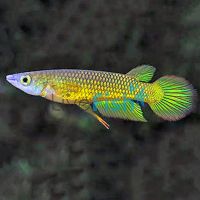

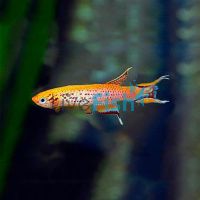 Aphyosemion Australe Gold Lyretail - Wild Caught 3cm Aphyosemion Australe$33.63 As low as $23.54Out of stock