Freshwater Rasboras
Miniature marvels & Add a splash of colour to your community aquarium with our range of Rasboras.
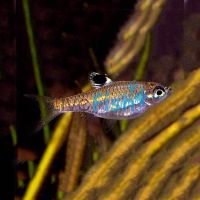
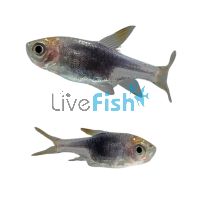
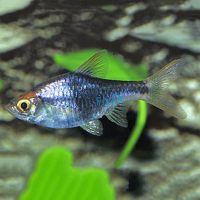
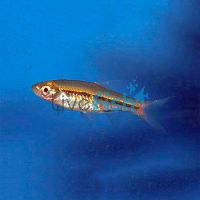
Rasboras are peaceful tropical fish from the Cyprinidae family, making them close relatives of Danios, Barbs and Goldfish. Known for their shimmering silver bodies and distinctive dark markings, these small, sociable fish are ideal for calm community aquariums.
Most Rasbora species grow to around 4 cm (1.5”) and live for 6-7 years. Their hardy nature and gentle temperament make them excellent fish pets for a starter fish tank. They adapt well to stable water parameters and typically coexist peacefully with other small, placid species.
Rasbora Care
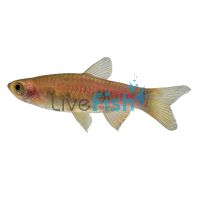
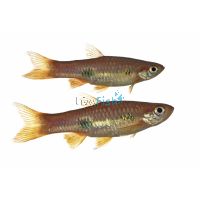
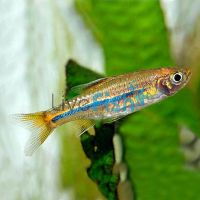
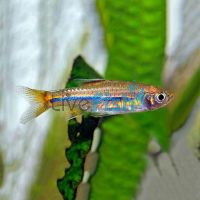
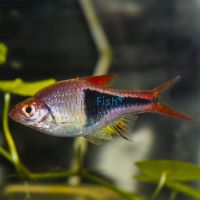
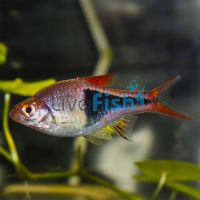
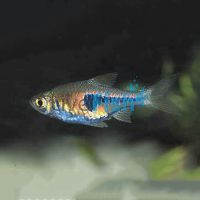
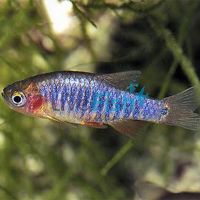
Rasboras are low-maintenance small freshwater fish suited to a wide variety of water conditions. They are generally disease-resistant and coexist well in community aquariums, provided tankmates are not overly boisterous. Their only real challenge is breeding, which can be complex for beginners. Popular species include the Harlequin Rasbora, Emerald Eyed Rasbora, Black Scissortail Rasbora and the Blue Lined Rasbora.
Rasboras Natural Habitat
Rasboras originate from tropical South-East Asia, including Thailand, Malaysia and Singapore. They occur in rivers, streams and floodplain swamps, favouring shallow, slow-moving waters with vegetation overhead to diffuse the light.
Rasboras Behaviour and Compatibility
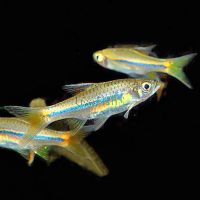
Rasboras spend most of their time schooling in the open mid-water areas of the aquarium. If they hide excessively, they may be stressed. They are gentle, submissive fish that prefer quiet tankmates; boisterous species such as Clown Loaches can overwhelm them. Although omnivorous, their small mouths allow them to coexist with dwarf shrimp. Avoid large predatory fish such as Oscars. Suitable companions include Barbs, Mollies, Guppies, small Gouramis and Danios.
Rasboras Fish Tank Set-up Tips
-
Tank
As popular small aquarium fish, Rasboras do well in compact tanks, though more space always provides a healthier environment. Most species reach just 4 cm (1.5”), making 38 litres (10 gallons) a functional minimum, particularly for beginners. Longer tanks are preferable. Rasboras are shoaling fish, so keep at least five together. Use subdued lighting and ensure your tank has a lid, as they may jump.
| Recommended Max Fish Count |
Tank Volume |
| 5-10 Rasboras |
38 litres (10 gallons) |
| 20 Rasboras |
56 litres (15 gallons) |
| 30 Rasboras |
75 litres (20 gallons) |
| 40 Rasboras |
113 litres (30 gallons) |
-
Base
The type of substrate is not critical for Rasboras, as they rarely explore the bottom. Choose based on aesthetics or the needs of other species. Darker substrates help reduce light reflection and enhance the iridescence of their scales.
-
Foliage
Provide some cover to help Rasboras feel secure, even though they generally prefer open water. Driftwood, stones, Java Moss and Crested Java Fern are excellent choices. Aim to keep at least 50–60% of the water column clear for swimming.
-
Water
Rasboras thrive in tropical conditions, ideally 22-25°C (71.6=77°F). Depending on location, you may need a water heater, especially in cooler Australian states.
Maintain a pH between 6-8 and a hardness of 5-15 dGH. Use a testing kit to keep parameters stable. Perform regular water changes (25% weekly or 50% fortnightly). Clean the substrate frequently and treat tap water with water conditioners to keep it safe for your aquarium fish.
Feeding and Care
Rasboras are omnivores with small mouths, so choose appropriately sized foods. Offer a mix of floating flakes or micro-pellets, insect larvae, bloodworms, daphnia and blanched vegetables. Feed twice daily, but only what they can finish within two minutes. Explore our selection of tropical fish foods to build a balanced diet for your Rasboras.
Great Reasons to Keep Rasboras
- They are exceptionally easy to keep and ideal for beginners.
- They require modest tropical fish tanks and coexist with many peaceful species.
- They offer an enjoyable challenge for experienced aquarists interested in breeding behaviour.
Explore our range of healthy Rasboras from our online fish pet shop and have them delivered directly to your door!


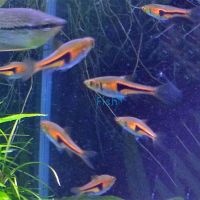
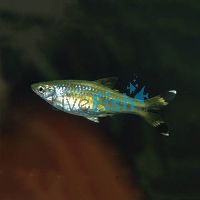
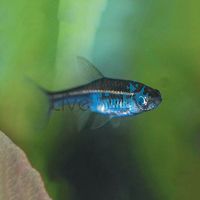
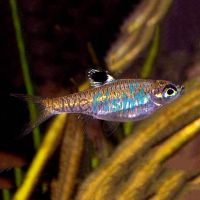
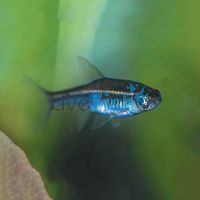
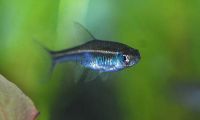
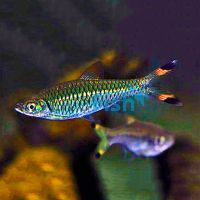
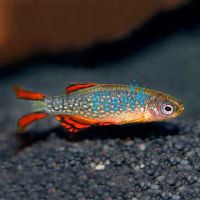
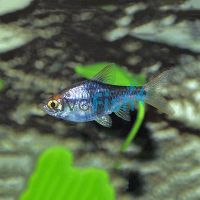
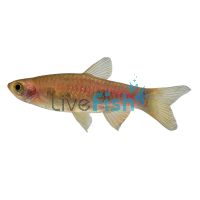
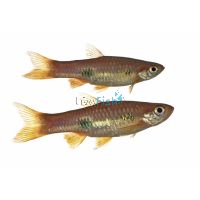
 Dwarf Harlequin Copper Rasbora 2cm Trigonostigma Heteromorpha Espei$8.27 As low as $6.62Out of stock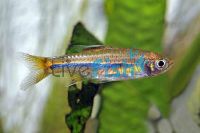
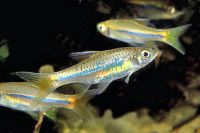
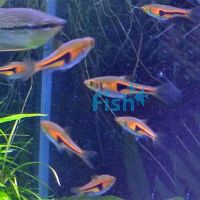
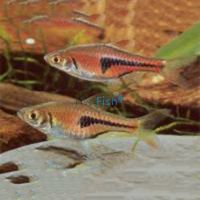
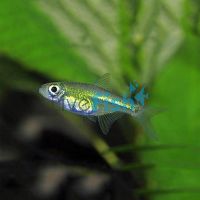
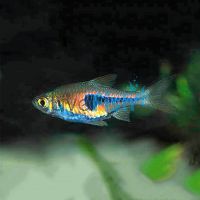 Dwarf Harlequin Copper Rasbora 3cm Trigonostigma heteromorpha espei$8.24 As low as $6.59Out of stock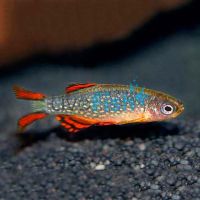
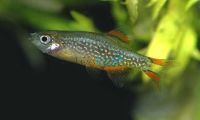 Celestial Pearl Danio (Galaxy Rasbora) 1.5cm Danio Margaritatus$24.77 As low as $17.34Out of stock