In-Stock, Ready to Ship

Freshwater Tetras

Fast Shipping to Your Door & Live Arrival Guarantee

Set Descending Direction
View as Grid List

Items 1-30 of 57

Page
per page
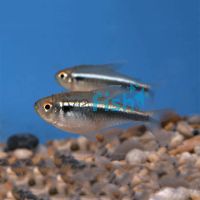
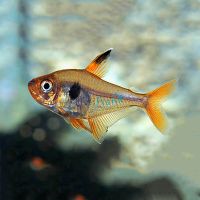
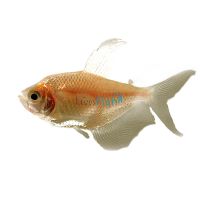
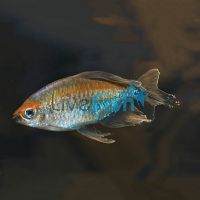
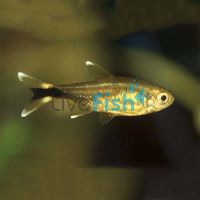
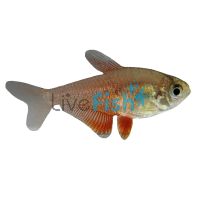
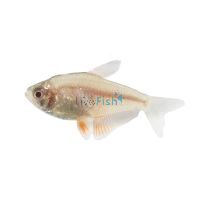
  1. Albino Emperor Tetra 3cm Nematobrycon palmeri
    Rating:
    0%
    $10.41
    Add to Wish List
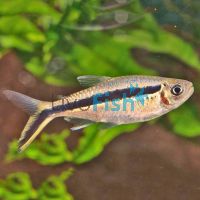
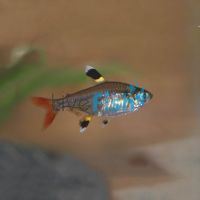
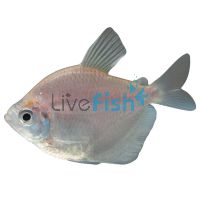
  2. Black Emperor Tetra 3cm Nematobrycon Amphiloxusize
    Rating:
    0%
    Add to Wish List
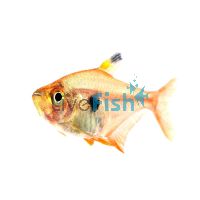
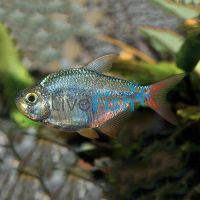
  3. Black Neon Tetra 3cm Hyphessobrycon Herbertaxelrodi
    Rating:
    97%
    (8)
    Add to Wish List
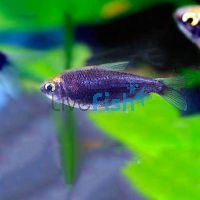
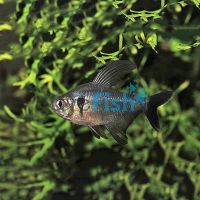
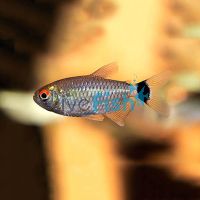
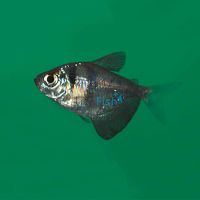
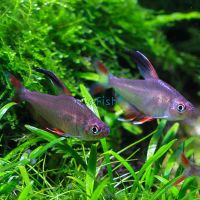
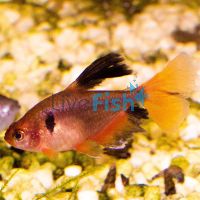
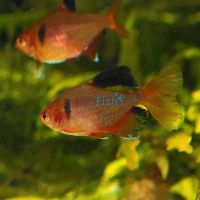
  4. Black Phantom Tetra 3cm Hyphessobrycon Megalopterus
    Rating:
    95%
    (4)
    Add to Wish List
  5. Black Stripe Tetra 3.5cm Hyphessobrycon melanostichos
    Rating:
    0%
    $36.55
    Add to Wish List
  6. Black Widow Tetra 3cm Gymnocorymbus Ternetzi
    Rating:
    97%
    Add to Wish List
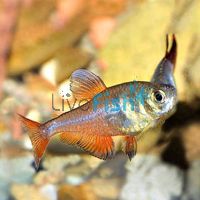
  7. Bleeding Heart Tetra 4cm Hyphessobrycon erythrostigma
    Rating:
    0%
    $39.16
    Add to Wish List
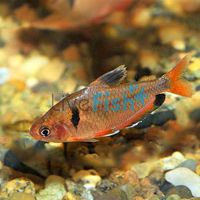
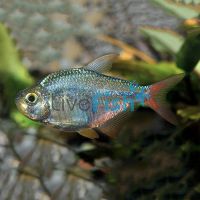
  8. Blue Bleeding Tetra 2cm Hyphessobrycon Margitae
    Rating:
    0%
    $26.16
    Add to Wish List
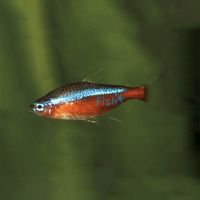
  9. Cardinal Tetra 2.5cm Paracheirodon Axelrodi
    Rating:
    100%
    (7)
    Add to Wish List
  10. Ceros Tetra 2.5cm Moenkhausia Ceros
    Rating:
    0%
    $7.12
    Add to Wish List
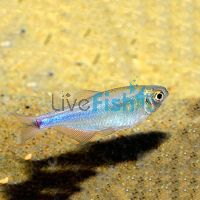
  11. Cochus Blue Tetra 3cm Boehlkea Fredcochui
    Rating:
    95%
    (4)
    Add to Wish List
  12. Congo Tetra 4cm Phenacrogrammus Interruptus
    Rating:
    93%
    (8)
    Add to Wish List
  13. Copei Tetra 3.5cm Moenkhausia copei
    Rating:
    0%
    $27.11
    Add to Wish List
  14. Costae Tetra 3cm Moenkhausia costae
    Rating:
    0%
    $7.74
    Add to Wish List
  15. Diamond Tetra 3cm Moenkhausia Pitteri
    Rating:
    90%
    (4)
    Add to Wish List
  16. Emperor Tetra 3cm Nematobrycon Palmeri
    Rating:
    90%
    (6)
    Add to Wish List
  17. Emperor Tetra 4cm Nematobrycon palmeri
    Rating:
    0%
    $9.97
    Add to Wish List
  18. Fire Ember Tetra 2cm Hyphessobrycon Amandae
    Rating:
    97%
    Add to Wish List
  19. Flame Tetra 3cm Hyphessobrycon Flammeus
    Rating:
    85%
    (4)
    Add to Wish List
  20. Giant Hatchet Fish - Wild Caught 4cm Thoracocharax securis
    Rating:
    0%
    $52.78
    Add to Wish List
  21. Giant Silver Hatchet Fish 4cm Thoracocharax stellata
    Rating:
    0%
    $42.41
    Add to Wish List
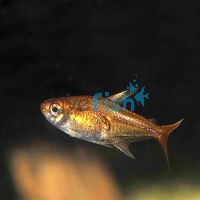
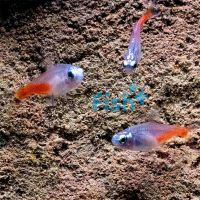
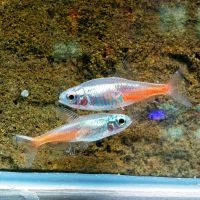
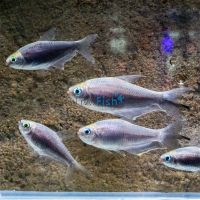
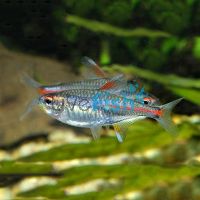
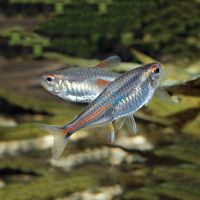
  22. Glass Bloodfin Tetra 3.5cm Prionobrama Filigera
    Rating:
    96%
    (5)
    Add to Wish List
  23. Glolite Tetra 3cm Hemigrammus Erythrozonus
    Rating:
    100%
    (9)
    Add to Wish List
  24. Golden Black Widow Tetra 3cm Gymnocorymbus Ternetzi
    Rating:
    93%
    (8)
    Add to Wish List
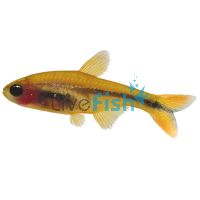
  25. Golden Flame Tetra 3cm Hyphessobrycon paepkei
    Rating:
    0%
    Add to Wish List
  26. Golden Pristella Tetra 3cm Pristella maxillaris
    Rating:
    0%
    $7.12
    Add to Wish List
  27. Green Neon Tetra 2cm Hyphessobrycon Simulans
    Rating:
    97%
    (6)
    Add to Wish List
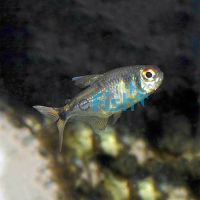
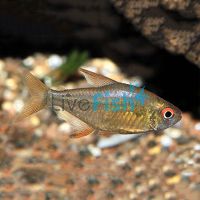
  28. Head & Tail Light Tetra 3cm Hemigrammus Ocellifer
    Rating:
    100%
    (2)
    Add to Wish List
Set Descending Direction
View as Grid List

Items 1-30 of 57

Page
per page

Freshwater Tetras

Dazzling dwarves - add brilliant schooling colour to your community aquarium with our range of tetras.

Tetras are a widely loved freshwater aquarium fish belonging to the characin family, with more than 150 recognised species. Suitable for new and experienced keepers, a small community tropical fish tank is rarely complete without a lively shoal of these hardy, attractive fish.

Most tetra species remain small, with common varieties reaching up to 7.5 cm (3 inches) while many stay around 3.8 cm (1.5 inches). They typically live for 6–8 years in well-maintained aquariums. Their iridescent scales, streamlined bodies and bright colour highlights make them a standout choice for planted community tanks.

Tetra Care

Tetras are generally low-maintenance fish capable of adapting to varied water conditions. They can, however, be vulnerable to disease if water quality is neglected, so regular monitoring for ammonia and nitrate is essential. Quarantine new fish before adding them to an established aquarium. The ever-popular Neon tetra is one of the most recognisable fish in the hobby. Other excellent choices include the Black Neon tetra, Diamond tetra, Rummynose tetra and the rounded Golden Black Widow tetra.

Tetras Natural Habitat

Most tetras originate from South America, particularly the Amazon basin, though many species also occur in Central America and parts of western Africa. Notably, the Blind Cave tetra inhabits Mexican cenotes. In the wild, tetras typically occupy cool, flowing freshwater streams but also inhabit ponds, floodplains and tannin-rich forest waters.

Behaviour and Compatibility for Tetras

The vast majority of tetras are peaceful, confident fish, though exceptions exist. The uncommon Bucktooth tetra is highly aggressive and unsuitable for community tanks. Black Widow tetras may nip the fins of species such as Angelfish. Most popular tetras – including the Green Neon, Golden Neon, Cardinal tetra and classic Neon tetra - are excellent community fish. Tetras must be kept in shoals, with a recommended minimum of 10 individuals. Suitable tank mates include Swordtails, Corydoras, Guppies, Rasboras and Danios.

Tetra Fish Tank Set-up Tips

  • Tank

    Although individual tetras are small, their schooling nature requires adequate space. A minimum group of 10 is recommended. They prefer lower lighting and gentle water movement, and a lid is advisable as they may jump. The following guidelines apply to smaller species such as Neon tetras, Cardinal tetras and Fire-ember tetras. Always check specific requirements for each species.

    Recommended Max Fish Count Tank Volume
    10 Tetras 39 litres (10 gallons)
    15 Tetras 47 litres (12.5 gallons)
    20 Tetras 57 litres (15 gallons)
    30 Tetras 72 litres (19 gallons)
  • Base

    Tetras spend most of their time mid-water, so the type of substrate is not critical. A darker base is recommended as it enhances plant growth and improves colour contrast.

  • Foliage

    A well-planted freshwater aquarium is ideal. Bunching plants provide useful shade and cover. Popular choices include Java Fern, Pennywort and Ludwigia. Adding driftwood also helps create natural shaded areas that accentuate their colours.

  • Water

    Tetras prefer cooler, softer, slightly acidic water. Maintain temperatures between 20-28°C (68-82.4°F). Depending on your location, a water heater may be required. pH should remain between 5.5 and 7.5, with hardness between 5-15 dGH. To ensure accuracy, invest in a testing kit. Regular water changes are essential: 25% weekly or 50% fortnightly. Tap water should be treated using appropriate water conditioners.

Feeding and Care

Tetras are primarily carnivorous, though they appreciate some plant-based foods. High-quality prepared tropical fish foods such as flakes and slow-sinking pellets work well. Supplement their diet with live or frozen foods like bloodworms, brine shrimp and daphnia. Vegetables such as peas, broccoli and cabbage can be offered if finely blended so they can be eaten easily.

Great Reasons to Keep Tetras in Your Tropical Fish Tank

  • Tetras are peaceful fish that get along well with other friendly, similarly sized species.
  • A shoal of tetras brings colour, movement and character to any tropical aquarium.
  • They are straightforward to care for and offer years of enjoyment when maintained well.

Tetras remain one of the most loved fish families in the aquarium hobby. Browse our online tropical fish store below and explore the varieties currently available. Popular choices include packs of Mixed Neon Tetras, Classic Neon Tetras, Phantom Tetras and standout species like the Purple Pencilfish or Dark Marble Hatchet Fish.

Click to expand

Tetras are omnivorous and enjoy a varied diet. In the home aquarium, they can be fed high-quality flake food or micro-pellets as a staple, supplemented with live or frozen foods such as brine shrimp, daphnia, or bloodworms for added protein. They also nibble on plant matter, so including some vegetable-based flakes or blanched vegetables can be beneficial. Feed small amounts two to three times a day, ensuring all food is eaten within a few minutes to avoid water pollution.

Tetras typically live between 3 and 5 years, although certain species such as Cardinal Tetras can live closer to 7 years with the right care. Their lifespan depends heavily on water quality, diet, and stress levels. A well-maintained, stable aquarium environment with regular water changes and a suitable school size (ideally 6 fish) will help them thrive for longer. Poor water conditions or keeping them alone can shorten their lifespan considerably.

There are many popular types of tetras, each with unique colours and patterns. Common varieties include Neon Tetras, Cardinal Tetras, Ember Tetras, Glolite Tetras, and Black Widow Tetras. While their care needs are largely similar, some prefer slightly different water parameters. For example, Cardinal Tetras thrive in slightly warmer, softer water compared to Neons.

Most small tetras reach between 3 and 5 cm in length when fully grown, although some species such as the Congo Tetra can grow up to 8 cm. Their small size makes them ideal for community aquariums, but they still need adequate swimming space in a group.

Tetras are tropical fish and prefer water temperatures between 22 °C and 26 °C. In most Australian homes, a heater will be required for year-round water temperature stability. Fluctuating temperatures can stress tetras, making them more prone to disease.

A minimum of 40 L is recommended for a small school of tetras, with larger tanks preferred. Soft, slightly acidic water (pH 6.5–7.0) and gentle filtration mimic their natural habitat. They appreciate a planted tank with shaded areas, open swimming space, and low to moderate lighting. Always cycle the tank before adding fish, and keep tetras in groups of at least six to reduce stress.

Yes, Tetras are peaceful schooling fish that do well in community tanks. Suitable tank mates include rasboras, small peaceful catfish (like Corydoras), and dwarf gouramis. Avoid keeping them with large or aggressive species that may see them as food.

Sexing tetras can be tricky. In many species, females are slightly rounder-bodied, especially when carrying eggs, while males may be slimmer and more vibrantly coloured. The differences are subtle and easier to notice when the fish are mature.

Click to expand