Freshwater Shrimp & Crayfish
Incredible invertebrates - add something different to your aquarium with our range of freshwater shrimp and crays.
Shrimp and crays are becoming increasingly popular among aquarists. They are hardy, easy to breed and generally
low maintenance, with the main challenge being the selection of suitable tankmates if you plan to keep them in a community setup.
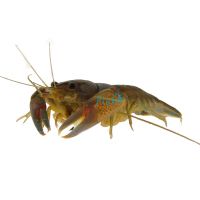
Here we focus on cherry shrimp and yabbies (Australian freshwater crayfish). For detailed species-specific information, visit the individual product pages.
Shrimp and Crayfish Care
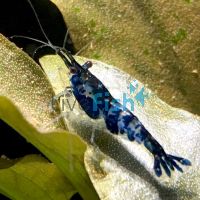
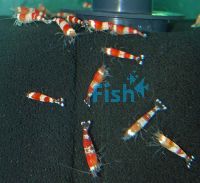
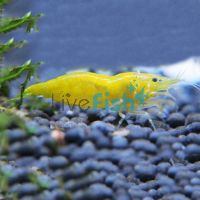
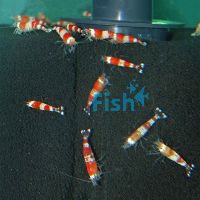
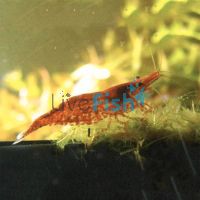
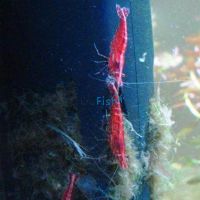
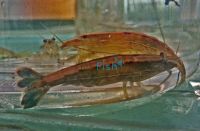
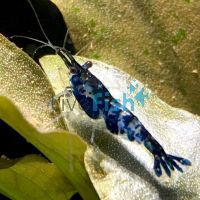
These invertebrates are ideal for a wide range of aquarium setups thanks to their tolerance of varying water conditions. The much-loved cherry shrimp reaches around 3.8 cm and lives for up to two years. They come in several stunning colour morphs, including the deep red form and the popular yellow variety. Yabbies are far larger, capable of reaching 30 cm and living for up to seven years, so ensure you are prepared for their impressive adult size.
Natural Habitat
Cherry shrimp originate from Taiwan, where they occupy slow-moving streams and ponds with rocky areas that provide natural shelter. Yabbies hail from Australia, particularly Victoria and NSW. They are considered invasive in Western Australia, where they threaten native species such as marron and gilgies. While vulnerable in some waterways, including parts of the Yarra system, they continue to thrive in dams, billabongs and lakes across the country.
Behaviour & Compatibility
Cherry shrimp are peaceful and will coexist well with small, non-predatory species. However, many fish view shrimp as food. Avoid mixing them with any fish capable of swallowing them, such as oscars, cichlids or arowana. Suitable tankmates include other cherry shrimp, Corydoras, dwarf gourami, tetras and small rasboras.
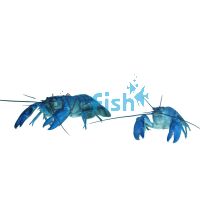
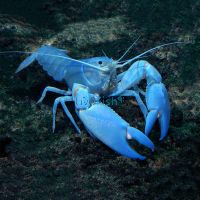
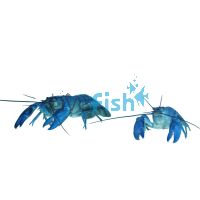
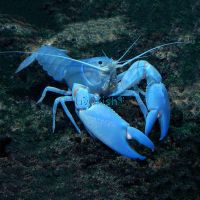
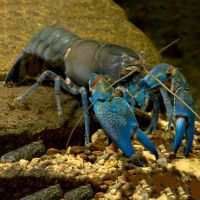
Yabbies are territorial and opportunistic feeders. While they may occasionally coexist peacefully, they can also cause significant damage in a community tank. They are often best housed alone. The striking neon blue pearl yabby is a particularly popular choice for single-species setups.
Housing Shrimp and Crayfish & Tank Setup Tips
-
Tank
A small group of cherry shrimp can be comfortably housed in tanks as small as 10 litres. Yabbies, due to their size, require at least 30 litres per individual. If keeping more than one, the tank size must be increased considerably, and territorial resets should be performed when introducing a new yabby.
| Recommended Max Shrimp |
Tank Volume |
| 10 Cherry Shrimp |
10 litres (2.5 gallons) |
| 20 Cherry Shrimp |
20.8 litres (5.5 gallons) |
| 30 Cherry Shrimp |
30 litres (8 gallons) |
| 40 Cherry Shrimp |
37.8 litres (10 gallons) |
| Recommended Max Crayfish/Yabby Count |
Tank Volume |
| 1 Crayfish |
30 litres (8 gallons) |
| 2 Crayfish |
52 litres (14 gallons) |
| 3 Crayfish |
77 litres (20 gallons) |
| 4 Crayfish |
94 litres (25 gallons) |
Shrimp and crays do not require deep tanks. A wider, shallower tank is ideal unless keeping them with fish.
-
Base
As natural scavengers, they do best with sand or fine gravel substrates.
-
Foliage
Both species require hiding spaces. Include decorations with caves or crevices, and provide large flat surfaces for grazing. Java moss is ideal for cherry shrimp.
-
Water
They tolerate a broad range of conditions and remain comfortable at 20-29°C. Aim for a pH between 6-8 and hardness of 5–15 dGH. Regular water testing is recommended using a water testing kit.
Maintain clean, filtered water with weekly 10% changes. Avoid copper-based treatments, as invertebrates are highly sensitive to copper.
Regularly filter the substrate and treat tap water appropriately using water conditioning products.
Feeding
Both shrimp and yabbies are unfussy eaters. Yabbies enjoy vegetables, beef mince and specialised pellets, while shrimp prefer sinking foods and blanched greens such as spinach or zucchini. Remove any uneaten food to maintain water quality.
Why Keep Shrimp & Crayfish?
- Low-maintenance and suitable for beginners.
- Introduce unique movement and colour to community aquariums.
- Easy and rewarding to breed.

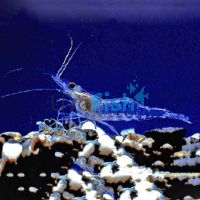
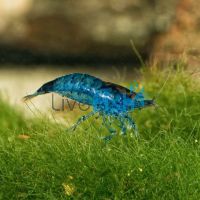
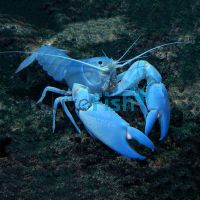

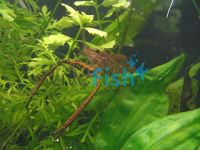 Long Ar- Medium Black Freshwater Shrimp Macrobrachium Jardini 6cm Macrobrachium Australiense$18.96Out of stock